

1:15
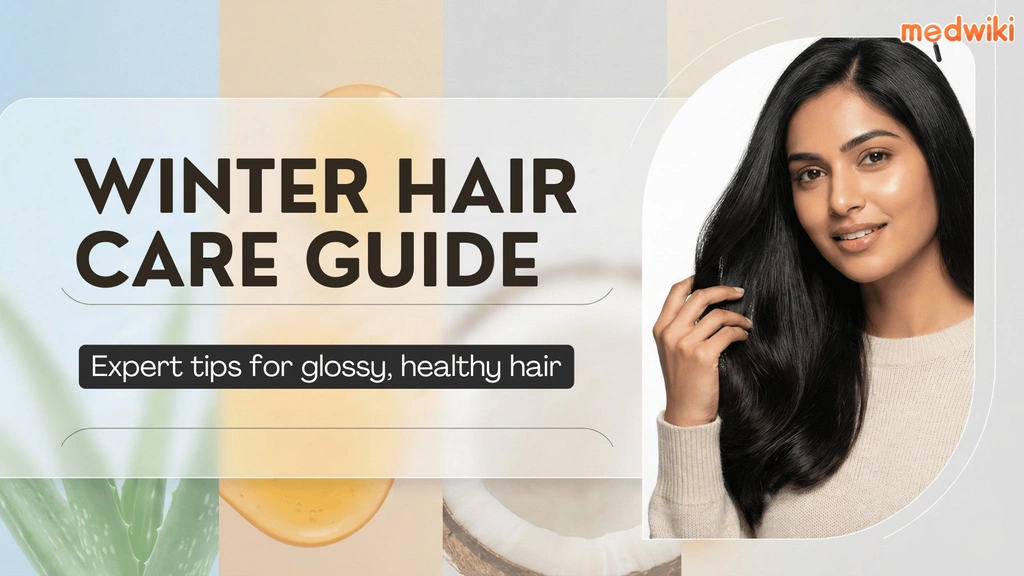
Winter brings a kind of beauty that everyone enjoys. Cold mornings, warm clothes, hot drinks and cosy evenings make the season memorable. But along with all the charm comes one major problem that almost everyone faces, which is dull and dry hair. The moment winter begins, our hair starts losing moisture. The air becomes dry and cold winds remove the natural shine. Even washing hair with warm water can take away the natural oil that protects the hair. This is why winter becomes the toughest time for hair health.When hair becomes dry it also begins to break easily. The scalp gets flaky, itching increases and the hair loses smoothness. This is the main reason many people search for thebest hair mask for winter, something that can bring life back to the hair without using harsh chemicals. Hair masks are one of the easiest and most effective ways to give deep nourishment. They soften the hair, add shine and repair damage from within. The best part is that you do not need expensive products to take care of your hair. Nature already has everything your hair needs during winter.In this blog you will find a detailed winter hair care guide, powerful homemade masks, tips for choosing the right mask and many useful solutions for common winter hair problems. The aim is to help you understand your hair better and give you natural remedies that actually work.Why Does Winter Damage Hair So Quickly?Winter affects hair more than any other season. You may have noticed that hair feels softer in summer but extremely rough in cold weather. This happens due to several reasons that many people do not realize.The cold air in winter lacks moisture. When the air becomes dry it pulls moisture from everything around, including your hair. This leaves the hair dull and brittle. The scalp also becomes dry which leads todandruff and itching. Warm showers feel comforting in winter but they cause additional damage because warm water strips away the natural oil layer of the hair. Without this protective layer hair becomes weak and starts falling.Indoor heating also plays a role. When you stay inside a room with heaters the air becomes even drier. This affects the hair cuticle, the outer layer of each hair strand which starts to open up. Once the cuticle opens the hair loses shine and becomes frizzy.Due to these challenges it becomes important to provide the hair with extra care and nourishment which is why people search more for thebest hair mask for winter during this season. A good mask helps retain moisture, protect the hair and repair the damage caused by rough weather.Why Homemade Hair Masks Work Best in Winter?Homemade masks have a special charm and effectiveness. Unlike store bought products they are free of chemicals and full of pure nutrients. In winter the hair needs ingredients that are natural moisturizers. Many things available in your kitchen such ascoconut oil, honey, banana, curd,aloe vera, fenugreek and milk have the power to repair hair naturally.Homemade masks also give deeper nourishment because they contain fresh and active nutrients. These ingredients go directly into the roots and strengthen the hair from within. They also calm the scalp, reduce flakiness and promote better blood circulation. This is one of the big reasons many people believe that homemade recipes qualify as thebest hair mask for winter.Another benefit is that you can easily customize them based on your hair type. If your hair is extremely dry you can add more oil. If your scalp becomes oily you can add yogurt or aloe. If your hair lacks protein you can use eggs or fenugreek. This flexibility makes homemade masks far more helpful and reliable.Most Effective Homemade Hair Masks for WinterHere are some deeply nourishing masks that can save your hair throughout the winter season. Each mask is simple to prepare and works great for different types of hair needs.Coconut Oil and Honey Deep Moisture MaskThis mask is like a blessing for dry and frizzy hair. Coconut oil gives warmth and softness while honey seals moisture into the hair strands.You will need• Coconut oil• A spoon of honeyWarm the oil slightly and mix honey in it. Apply generously on the scalp and the length of the hair. Leave it on for half an hour and wash with mild shampoo. This mask gives immediate softness and shine which is why many consider it thebest hair mask for winter.Banana and Curd Smoothening MaskBanana acts like a natural conditioner and curd provides hydration. Together they make hair silky and manageable.You will need• One ripe banana• Two spoons of curdBlend both into a smooth paste. Apply from roots to tips and wait for thirty minutes. Wash thoroughly. Your hair will feel naturally straightened and smooth.Aloe Vera and Olive Oil Repair MaskAloe vera has healing properties that soothe the scalp. Olive oil provides deep nourishment to weak and damaged hair.You will need• Fresh aloe gel• Olive oilMix both and apply evenly. Leave for half an hour. This mask is great for people who face itchy scalp and dryness.Egg and Yogurt Protein MaskProtein is extremely important for hair strength. Winter makes hair fragile so this mask helps rebuild the structure.You will need• One egg• Two spoons of yogurtWhisk the mixture and apply. Keep it for twenty five minutes and wash with cool water only. You will notice stronger and healthier hair.Fenugreek and Milk Growth MaskFenugreek seeds create a natural layer that strengthens roots and promotes hair growth.You will need• Fenugreek paste• A little milkApply and leave for thirty minutes. It adds softness and improves hair thickness. With regular use your hair feels stronger and fuller.Key Benefits of Using Homemade Winter Hair MasksUsing a natural mask once or twice a week can completely transform your hair. Here are the major benefits• Intense moisture• Smooth and shiny texture• Stronger roots• Less breakage• Improved scalp health• Reduction in dandruff• Better hair growth• Soft and manageable hairThese benefits show why so many people prefer natural masks when searching for thebest hair mask for winter.Essential Winter Hair Care Tips for Healthy HairMasks alone cannot protect hair unless you follow a proper routine. Here are some simple habits that help greatly in winter• Oil your hair once or twice a week• Avoid washing with very warm water• Use a gentle shampoo• Drink enough water• Cover your hair when stepping out in cold wind• Reduce heat styling• Trim hair to prevent split ends• Use a satin pillowcase to avoid frictionFollowing these tips along with a good mask keeps the hair healthy throughout the season.How to Choose the Best Hair Mask for Winter for Your Hair Type?Every person has a different hair type which means the same mask cannot suit everyone. Choosing the right mask depends on the following pointsFor dry hairCoconut oil and honey works wonderfully.For frizzy hairBananas and curd help reduce frizz naturally.For damaged hairEgg and yogurt restore protein.For slow growthFenugreek and milk increase thickness.For itchy scalpAloe vera and olive oil calm irritation.Once you understand your hair type it becomes easy to choose thebest hair mask for winter that meets your needs.Why Store Bought Masks Are Not Always Enough?Store bought masks may offer instant shine but they often contain perfumes, preservatives and chemicals that give temporary results. These products can worsen dryness in winter because they do not deeply hydrate the hair. Natural masks create long term improvement while store products mainly coat the hair surface. This is one reason homemade options feel more genuine and nourishing.Final Reflection Embrace Winter with Confident and Healthy HairWinter does not have to be the season of dull or lifeless hair. When you understand the needs of your hair and give it proper nourishment you will notice how resilient and beautiful your hair becomes. Homemade masks bring back shine, softness and strength without harming your hair with chemicals. With the right care routine and a suitable mask you can easily enjoy healthy hair through the cold months. Even though the weather is harsh, your hair does not have to follow the same fate. All you need is consistency, natural ingredients and the right knowledge to protect your hair beautifully. FollowMedwikifor more!FAQs1.What is the biggest reason hair becomes dry in winter?The dry air of the season removes moisture from the hair which leads to roughness and breakage.2.How often should winter hair masks be used?Using a mask once or twice a week is enough to maintain smooth and healthy hair.3.Which natural ingredient is best for winter hair hydration?Coconut oil, honey, aloe vera and curd are some of the best natural moisturisers.4.Can homemade masks replace store bought conditioners?Yes many homemade masks work even better because they contain pure and nourishing ingredients.5.Are these masks safe for all hair types?Yes they are safe because they do not contain chemicals and you can adjust the ingredients according to your hair type.6.Can these masks help with winter hair fall?Yes they strengthen the roots and improve scalp health which reduces hair fall.7.Why are people calling natural remedies the best hair mask for winter?Because they provide long lasting nourishment, softness and repair which store bought products cannot offer.
1:15
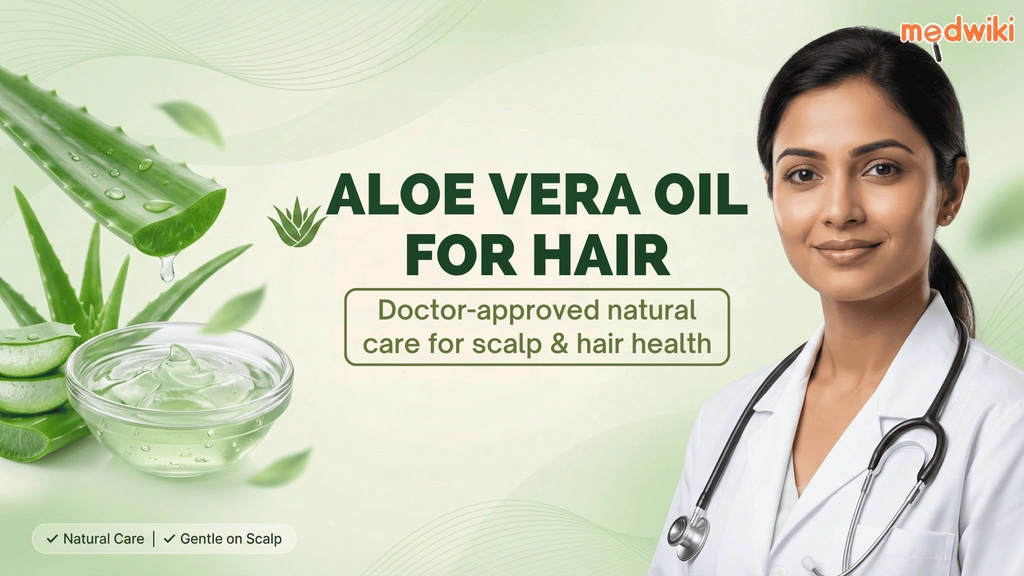
Nature has always offered simple ways to care for our hair and scalp, and among these gentle treasures,Aloe Vera Oil for Hair has quietly grown in popularity. Most people know the aloe plant for its soothing gel, yet the oil infusion created from the same plant brings an entirely different experience. It is comforting, lightweight, nourishing and surprisingly versatile. Many who once struggled with dryness, breakage, an uncomfortable scalp or slow growth patterns have found that this botanical oil adds an easy and dependable touch to their routine.This blog explores the benefits, the uses, the right time to apply it, the correct way to use it, and how this simple infusion can become a steady companion in your weekly and monthly care. Every detail shared here is shaped in a natural and honest voice with the sole purpose of helping you understand this oil better.The Calm Power Inside AloeThe aloe plant has an ancient history. From traditional households to healing rituals, aloe has been used to comfort irritated skin and cool down inflammation. When the natural components of the plant are infused in a nourishing carrier oil, the result becomes even easier to spread, massage and absorb. This is what makesAloe Vera Oil for Hair such a valuable addition.Inside aloe are minerals, vitamins, antioxidants and natural moisture locking sugars. These elements combine with the carrier oil to coat the scalp with gentle nourishment. The texture is light enough that it does not weigh down the strands, yet rich enough to leave a soft sheen and smoother feel. It has a clean aroma that adds a refreshing experience while you massage it into the scalp.What Makes This Oil Stand Out?People often wonder what separates aloe infused oil from the regular gel found inside the leaves. The answer lies in convenience and absorption. The gel is soothing but can be tricky to use in a weekly routine. The oil, on the other hand, glides effortlessly, absorbs in a natural way and remains on the scalp longer without leaving any sticky sensation.Another quality that stands out is its ability to support both dry and oily scalps. While it offers moisture for those who need it, it also brings balance for those who feel their scalp produces excess oil. In both cases, the cooling character of aloe prevents irritation and maintains a comfortable surface that supports stronger roots.Benefits That Actually Show ResultsThe true value ofAloe Vera Oil for Hair becomes visible through consistent use. Every benefit has a natural explanation that connects directly to the plant’s composition.Supports natural growthHair growth begins beneath the surface of the scalp. When the scalp remains calm, clean and nourished, the roots experience less stress. Aloe contains enzymes and vitamins that encourage comfort around the follicles. Over time, this leads to an improved natural growth environment.Relieves dryness and irritationScalp dryness shows up in many forms. Flakes, itchiness, roughness and a tight feeling are all signs that your scalp is missing moisture or is reacting to weather changes or product buildup. Aloe infused oil brings noticeable comfort. Its soothing nature creates a cooling touch that helps the scalp relax.Helps reduce breakageStrands break when they are dehydrated or when the ends become weak. The oils used for infusion bring softness, and the aloe locks moisture inside the strands. This makes the hair more flexible and less likely to snap.Adds shine with a natural glowRather than coating the hair with an artificial layer, the oil nourishes the strands from within. The result is a soft glow that looks natural and healthy instead of greasy.Maintains overall scalp healthA healthy scalp leads to easier styling, better texture and long term comfort.Aloe Vera Oil for Hair is especially helpful for people whose scalp often becomes sensitive during extreme seasons or after chemical treatments.When You Should Use Aloe Vera Infused Oil?The timing can make a big difference in how this oil performs. Your hair and scalp might not need the same level of care every day, but certain moments can benefit from its calming touch.During harsh weatherCold winds and strong sunlight pull moisture from both scalp and strands. Using the oil weekly during these seasons protects the scalp and reduces the roughness that usually appears at the ends.After chemical treatmentsWhether you color your hair or straighten it, your scalp sometimes becomes reactive. The oil helps settle that sensitivity by giving a cooling effect and restoring comfort.When your hair looks dullLife becomes busy, and hair often shows the stress first. When strands start looking flat, dry or lifeless, a gentle massage with aloe infused oil can restore smoothness.When shedding increasesShedding can be triggered bystress, changes in routine or scalp irritation. Using aloe oil regularly helps calm the scalp and maintain a comfortable environment for your roots.As a part of weekly self careEven if your hair is not facing any concerns, including the oil as a relaxing weekly ritual keeps the roots nourished and the strands soft.How to Use Aloe Vera Oil the Right Way?Application matters just as much as the product itself. A thoughtful routine will help you get the most out of this oil.Pre wash treatmentWarm a small amount between your palms and gently apply it to the scalp. Do not rush the process. Use slow circular movements to encourage blood flow and spread the oil evenly. Smooth the leftover oil down the lengths of your hair. Leave it on for about thirty to forty minutes before washing. This shields your hair from becoming too dry after shampoo.Overnight calming routineIf your scalp feels irritated or you are dealing with flakes, applying the oil before bed can bring soothing comfort. Use a small quantity and massage gently. Cover your pillow with a towel and wash it off in the morning.Protective end careThe ends of your hair often show dryness first. After washing and before they fully dry, take one drop of the oil, rub it between your palms and lightly press it into the ends. This keeps them soft and reduces breakage.Mix with other oilsIf you enjoy experimenting, you can blend aloe infused oil with coconut,castor oil oralmond oils. This creates a richer treatment for deeper nourishment.Tips to Enhance Your Results?Consistency always matters. Here are a few simple habits that pair well withAloe Vera Oil for Hair.Stay gentle with your scalpAvoid rough scratching with your nails. Use your fingertips whenever you apply any product.Limit excessive heatHeat styling can pull moisture from the strands. Reducing it allows the oil to work more effectively.Stay hydratedHealthy hair is also supported from within. Drinking enough water helps maintain moisture naturally.Use a mild shampooHarsh cleansers strip the scalp of essential oils. A gentle shampoo keeps the scalp balanced.Trim your endsEven the best oils cannot repair split ends. Regular trims help maintain a clean and healthy look.ConclusionNature’s simplest gifts often bring the most comforting results. That is exactly what makesAloe Vera Oil for Hair such a reliable companion in daily and weekly care. Its cooling nature, combined with nourishing elements from the plant and carrier oil, supports smoothness, comfort and strength from the roots to the ends. It is gentle enough for sensitive scalps yet effective enough to bring long term improvement. With consistency and the right application, it becomes more than a product. It becomes a small ritual of calmness and nourishment.If you are searching for a natural way to support growth, comfort your scalp and restore shine without heaviness, aloe infused oil may become one of your most trusted choices. FollowMedwikifor more!Frequently Asked Questions1.Can I use aloe infused oil on oily hair?Yes, the oil is lightweight and helps balance the scalp. It does not make oily hair feel greasy when used in moderation.2.How many times a week should I use it?Most people see good results with one or two applications each week. Very dry scalps may benefit from an additional session.3.Is it safe to leave the oil on overnight?Yes, it is safe for most people. Just use a small amount so that the scalp can absorb it comfortably.4.Can it help with dandruff?It may help reduce irritation and dryness which often contribute to flakes. It is not a medical treatment but it can support comfort.5.Does it help with hair loss?It supports healthier roots and a calmer scalp which may reduce shedding caused by irritation. It does not treat medical hair loss conditions.6.Is aloe oil safe for colored hair?Yes, it is gentle and can actually help the hair feel softer after chemical treatments.7.Can I apply it on wet hair?You can apply a small amount on damp hair, especially at the ends, to seal in moisture.DisclaimerThe information shared in this blog is based on general observations and common usage patterns. It is not a medical diagnosis or a replacement for professional advice. Individual results may differ depending on hair type, scalp condition and overall health. If you have allergies, ongoing scalp conditions or any medical concerns, consult a qualified professional before adding new products to your routine.

1:15
Sunburn is a skin condition caused by overexposure to ultraviolet (UV) rays from the sun. It results in red, painful skin that feels hot to the touch. In severe cases, it can lead to blistering and peeling. To treat sunburn, apply cool compresses, use aloe vera gel, and stay hydrated. Over-the-counter pain relievers can help reduce discomfort. To prevent sunburn, wear sunscreen with a high SPF, seek shade, and wear protective clothing when outdoors.

1:15
Acne is common during teenage years due to hormonal changes that increase oil production in the skin. This oil, along with dead skin cells, can clog pores and lead to pimples. Stress, diet, and genetics can also play a role. Keeping your skin clean, using non-comedogenic products, and avoiding touching your face can help manage acne. If it persists, consider seeing a dermatologist for advice.

1:15
Cilamet XL is primarily used for managing high blood pressure and certain heart conditions. It is not typically prescribed for skin infections. Skin infections usually require antibiotics or antifungal medications, depending on the type of infection. It's important to consult a healthcare professional for appropriate treatment if you suspect a skin infection.

1:15
No, Cilamet XL 20mg/50mg Tablet ER is not used for treating skin infections. It is primarily prescribed for managing high blood pressure and certain heart conditions. For skin infections, antibiotics or antifungal medications are typically used, depending on the type of infection. It's important to consult a healthcare professional for the appropriate treatment for skin infections.

1:15
Acne, which is a common skin condition, can cause several problems: - **Physical Discomfort**: Acne can be painful, especially if the pimples are deep or inflamed. - **Scarring**: Severe acne can lead to permanent scars on the skin. - **Emotional Impact**: It can affect self-esteem and lead to stress or anxiety. - **Skin Infections**: Picking or squeezing pimples can cause infections. To manage acne, it's important to keep your skin clean, avoid touching your face, and consult a dermatologist for appropriate treatments.

1:15
Itching, also known as pruritus, is a common symptom that can be caused by a variety of factors. Here are some common causes and treatments: ### Causes of Itching: - **Allergies:** Reaction to foods, medications, or environmental factors. - **Skin Conditions:** Such as eczema, psoriasis, or dermatitis. - **Infections:** Fungal infections like athlete's foot or ringworm. - **Insect Bites:** Mosquitoes, fleas, or bedbugs. - **Dry Skin:** Often due to weather changes or aging. ### Treatments for Itching: - **Moisturizers:** Use regularly to prevent dry skin. - **Antihistamines:** Over-the-counter options like diphenhydramine can help with allergies. - **Topical Creams:** Hydrocortisone cream can reduce inflammation and itching. - **Cool Compresses:** Applying a cool, damp cloth can soothe the skin. If itching persists or is severe, it's advisable to consult a healthcare professional for a proper diagnosis and treatment plan.
Shorts

Avoid These Mistakes If You Have Sunburn!

Mrs. Prerna Trivedi
Nutritionist

5 Simple Habits for Healthy, Glowing Skin!
Mrs. Prerna Trivedi
Nutritionist

Which SPF Should You Choose: 30 or 50? Let's Break It Down!

Drx. Salony Priya
MBA (Pharmaceutical Management)

6 best replacements for healthy skin !

Dr. Beauty Gupta
Doctor of Pharmacy

Know Us
@2026 Medwiki Pvt Ltd. All Rights Reserved