

1:15
Excess saliva in pregnancy is a common but less discussed symptom that many women experience, especially during the early months. This condition is medically known asPtyalism Gravidarum orHypersalivation During Pregnancy, where the mouth produces more saliva than usual.Although increased saliva production can feel uncomfortable, it is usually not harmful for the mother or baby. Understanding the reasons behindPregnancy Saliva changes can help women manage this symptom better and maintain comfort during pregnancy.Excessive saliva may occur along with other early pregnancy changes, such as nausea, vomiting, andhormonal fluctuations. Learning about its causes, symptoms, and management methods can support betterPregnancy Wellness throughout this important phase.What Is Ptyalism Gravidarum?Ptyalism Gravidarum refers to excessive saliva production during pregnancy. It is a condition where pregnant women experience increased saliva in the mouth, frequent swallowing, or difficulty managing the extra saliva.This condition is also calledSialorrhea During Pregnancy and is commonly seen during the first trimester. Some women may notice mild symptoms, while others may experience a significant increase in saliva production.The exact reason behind Ptyalism in Pregnancy is not completely understood, but hormonal changes, nausea, and digestive system changes are considered major contributing factors. It usually improves as pregnancy progresses.Hypersalivation During Pregnancy: Why Does It Happen?Hypersalivation During Pregnancy can occur due to natural hormonal and physical changes in the body. Many women experience increased saliva production during the early stages of pregnancy.Pregnancy hormones like estrogenmay increase saliva production.Morning sickness and nausea can trigger excessive saliva during pregnancy.Digestive system changes may influence saliva flow and mouth sensations.Increased saliva may help neutralize stomach acids during pregnancy.The body may produce extra saliva to support oral protection and digestion.Understanding the reasons behind increased saliva production can help women feel more prepared during pregnancy. This condition is usually temporary and improves as pregnancy progresses.How Do Hormonal Changes Affect Saliva During Pregnancy?Changes inPregnancy Saliva are connected to the hormonal adjustments that occur throughout pregnancy. Increased hormone levels and blood flow changes can influence the activity of the salivary glands.Pregnancy hormones can affect the function of salivary glands.Increased blood flow may contribute to changes in saliva production.Saliva may become thicker or feel different during pregnancy.Salivary gland changes are usually temporary and improve after childbirth.Good oral hygiene helps maintain comfort and support oral health during pregnancy.Taking care of oral health during this time is an important part ofPregnancy Wellness. Regular brushing, staying hydrated, and visiting a dentist when required can help manage saliva-related changes.How Are Morning Sickness and Excess Saliva Connected?Morning Sickness and Excess Saliva often occur together during pregnancy due to hormonal and digestive changes. Many women notice increased saliva production when they experience nausea or vomiting.Nausea andvomiting during pregnancy may trigger increased saliva production.Swallowing saliva can feel uncomfortable during episodes of morning sickness.Excess saliva may make nausea-related discomfort feel more noticeable.Managing morning sickness can help reduce discomfort caused by extra saliva.These symptoms are more common during the first trimester of pregnancy.Understanding the connection between nausea and increased saliva can help women feel more prepared during early pregnancy. These changes usually improve as the body adjusts to pregnancy hormones.How Does Nausea During Pregnancy Increase Saliva Production?Nausea During Pregnancy can contribute to excessive saliva production as the body responds to digestive discomfort. Increased saliva may act as a natural way to protect the mouth and reduce the effects of stomach acids.Nausea can make swallowing excess saliva more difficult.Increased saliva production may occur with digestive changes during pregnancy.Severe morning sickness may make excess saliva more noticeable.Healthy eating habits and hydration can support symptom management.Medical guidance can help manage severe nausea and related symptoms.Although nausea and excess saliva can be uncomfortable, they are common pregnancy experiences. Most women find that these symptoms become easier to manage as pregnancy progresses.What Causes Sialorrhea During Pregnancy?Sialorrhea During Pregnancy can occur due to various physical and hormonal changes happening in the body. Increased saliva production is often linked with pregnancy-related adjustments.Hormonal changes may influence saliva production during pregnancy.Nausea and vomiting can increase saliva-related discomfort.Strong smells and certain foods may trigger excess saliva.Digestive changes can affect saliva flow and mouth sensations.Pregnancy-related body changes may contribute to increased saliva production.Understanding these factors can help women identify possible triggers and manage excess saliva more comfortably. Most cases improve as the body adapts to pregnancy changes.How Is Acid Reflux During Pregnancy Linked to Excess Saliva?Acid Reflux During Pregnancy can be associated with increased saliva production due to changes in the digestive system. Hormonal changes and the growing uterus may affect digestion and cause stomach acid to move upward.Pregnancy hormones can relax digestive muscles and contribute to acid reflux.Acid reflux may trigger the body to produce extra saliva.Increased saliva can help neutralize stomach acid and protect the throat.Avoiding trigger foods may help reduce reflux-related discomfort.Healthy eating habits can support better digestion during pregnancy.Managing acid reflux with lifestyle changes and medical guidance may also help reduce discomfort caused by excess saliva. These symptoms often improve as the body adjusts during pregnancy.Why Is Ptyalism More Common During the First Trimester of Pregnancy?The first trimester brings several physical and hormonal changes, andFirst Trimester Pregnancy Symptoms can differ from woman to woman. Increased saliva, nausea, tiredness, and smell sensitivity are commonly experienced changes.Hormonal changes during early pregnancy can increase saliva production.Ptyalism in Pregnancy is often noticed during the first few weeks.Rising hormone levels may affect digestion, taste, and saliva flow.Excess saliva can occur along with nausea and vomiting.Tracking symptoms can help discuss concerns with a healthcare provider.Although excess saliva may feel uncomfortable, it is usually a normal pregnancy change. Most women find that these symptoms become easier to manage as pregnancy progresses.How Can Pregnancy Self-Care Help Manage Excess Saliva?Pregnancy Self-Care can improve comfort and help manage the inconvenience caused by excess saliva during pregnancy. Simple daily habits can support oral health and overall well-being.Maintaining good oral hygiene can help keep the mouth feeling fresh.Drinking enough water may support comfort during pregnancy.Carrying tissues can help manage frequent saliva production.Rinsing the mouth may reduce unpleasant mouth sensations.Balanced meals, rest, and stress management support pregnancy wellness.Practicing healthy self-care habits can make pregnancy changes easier to manage. Regular dental care and healthcare guidance can also help maintain good oral health during this period.ConclusionExcess saliva in pregnancy, also known asPtyalism Gravidarum, is a common symptom caused by hormonal and physical changes. It often appears along with nausea, morning sickness, and other early pregnancy symptoms.UnderstandingHypersalivation During Pregnancy,Sialorrhea During Pregnancy, andPtyalism Gravidarum can help women manage discomfort effectively. Because excessive saliva may sometimes be associated withHyperemesis Gravidarum and severe nausea, medical advice should be sought if symptoms become severe. Simple self-care practices and healthy habits can make this phase more comfortable.Every pregnancy journey is unique, and symptoms may vary between women. With proper care, awareness, and medical support, excess saliva can usually be managed safely while focusing on a healthy pregnancy.Frequently Asked Questions (FAQs)Q1. What is Ptyalism Gravidarum?Ptyalism Gravidarum is a condition during pregnancy that causes excessive saliva production, most commonly during the first trimester.Q2. Is excess saliva in pregnancy normal?Yes, excess saliva is a common pregnancy symptom and is usually linked to hormonal changes, nausea, and morning sickness.Q3. When does hypersalivation during pregnancy usually start?Hypersalivation often begins during the first trimester, typically between the 2nd and 8th week of pregnancy.Q4. Can morning sickness cause excess saliva?Yes, morning sickness and nausea during pregnancy are commonly associated with increased saliva production.Q5. Does acid reflux during pregnancy increase saliva?Yes, acid reflux can trigger the body to produce more saliva to help neutralize stomach acid and protect the esophagus.Q6. How can I manage excess saliva during pregnancy?Staying hydrated, eating small frequent meals, maintaining good oral hygiene, chewing sugar-free gum, and managing nausea may help reduce discomfort.Q7. Is Ptyalism Gravidarum harmful to my baby?No, Ptyalism Gravidarum itself is generally not harmful to the baby, but severe symptoms causing dehydration should be discussed with a healthcare provider.
1:15
During the first trimester, many women experience a metallic taste in mouth during pregnancy, a common symptom linked to hormonal changes. This unusual taste, medically known asdysgeusia in pregnancy, can make food, drinks, and even plain water taste bitter, metallic, or unpleasant. Although it can be annoying, it is usually temporary and linked to normal pregnancy changes.Pregnancy taste changesoften occur because of hormonal fluctuations, especially increases in estrogen and progesterone. These hormones affect the taste buds and sense of smell, making certain foods seem stronger while others develop a strange metallic flavor. Many women experience this symptom alongside morning sickness, nausea, and food aversions.Understanding whyaltered taste during pregnancy occurs can help reduce anxiety and make it easier to manage. In this blog, we'll explain the causes, symptoms, home remedies, and when to seek medical advice for a metallic taste during pregnancy.What Is Dysgeusia in Pregnancy?Dysgeusia in pregnancy is a condition that causes an altered or distorted sense of taste. Many pregnant women describe it as a metallic, bitter, or sour taste that stays in the mouth even when they are not eating.This strange taste in the mouth is considered one of theearly pregnancy symptoms, especially during the first trimester. It may appear before a missed period or shortly after pregnancy begins and often improves as pregnancy progresses.Although dysgeusia can affect appetite and food enjoyment, it is generally harmless. It usually fades once hormone levels stabilize during the second trimester or after delivery.Why Does a Metallic Taste Occur During Pregnancy?A metallic taste during pregnancy is mainly caused by natural hormonal changes that affect the body's sense of taste and smell. While it can be unpleasant, it is a common early pregnancy symptom and usually improves as pregnancy progresses.Risingestrogen levels can alter the way taste buds send signals to the brain.Progesterone can affect digestion and contribute to changes in taste perception.Increased sensitivity to smells can make certain foods taste metallic or bitter.Pregnancy hormones may cause a lingering metallic taste even after eating or drinking.Dysgeusia is more common during the first trimester of pregnancy.Not every pregnant woman experiences metallic taste changes.The symptom usually improves as hormone levels stabilize later in pregnancy.Although dysgeusia can be frustrating, it is generally harmless and does not affect your baby's health. If the metallic taste becomes severe, persists throughout pregnancy, or is accompanied by other concerning symptoms, consult your healthcare provider for further evaluation.What Are the Common Symptoms of Dysgeusia During Pregnancy?Dysgeusia can affect the way foods and drinks taste, making everyday meals less enjoyable. The symptoms vary in intensity and may come and go throughout the day.A persistent metallic taste in the mouth.A bitter taste even without eating.Sweet foods tasting less pleasant than usual.A sensation similar to tasting metal or coins.Dry mouth that makes the metallic taste more noticeable.Increased thirst throughout the day.Changes in appetite due to altered taste.Although dysgeusia can be bothersome, it is usually temporary and improves as pregnancy progresses. If the altered taste is severe, persists after pregnancy, or is accompanied by other concerning symptoms, seek medical advice.How Do Hormonal Changes Affect Taste During Pregnancy?Hormonal changes are one of the main reasons many women experience taste changes early in pregnancy. These changes can make familiar foods taste stronger, different, or leave a lingering metallic flavor.Estrogen can temporarily alter the way the brain interprets taste signals.Pregnancy hormones increase the sensitivity of taste buds.Strong smells may make foods taste metallic or bitter.Familiar foods and drinks may suddenly taste different.Taste changes are most common during the first trimester.Hormone levels usually stabilize during the second trimester.Normal taste often returns without any medical treatment.Most pregnancy-related taste changes are harmless and gradually fade as hormone levels balance. If the altered taste persists beyond pregnancy or is accompanied by other unusual symptoms, it is advisable to consult a healthcare provider.Can a Metallic Taste During Pregnancy Affect Nutrition?A persistent metallic taste can make eating and drinking less enjoyable, leading some women to avoid certain foods. This may temporarily affect appetite, especially during the first trimester.Even with taste changes, maintaining a balanced diet is essential to support both maternal health and the baby's growth. Small dietary adjustments can help meet nutritional needs without worsening the unpleasant taste.A metallic taste may reduce appetite during pregnancy.Some healthy foods may become less appealing.Food aversions can make it harder to eat a balanced diet.Choosing alternative nutritious foods can help maintain proper nutrition.Staying hydrated is important even if water tastes different.Eating small, frequent meals may improve food intake.Most women are able to maintain healthy nutrition with simple dietary adjustments until the metallic taste improves. If eating becomes difficult or significant weight loss occurs, consult your healthcare provider for personalized guidance.Home Remedies to Reduce a Metallic Taste During PregnancySimple home remedies can help lessen a metallic taste during pregnancy and make eating and drinking more enjoyable. These measures are generally safe and may provide temporary relief from the unpleasant flavor.Rinse your mouth with saltwater or a baking soda solution.Chew sugar-free gum to stimulate saliva production.Suck on citrus-flavored candies if approved by your healthcare provider.Drink lemon-infused water to help mask the metallic taste.Brush your teeth and tongue regularly.Stay well hydrated throughout the day.Eat small, frequent meals instead of large meals.Use plastic utensils if metal cutlery worsens the taste.Choose cold foods if warm foods have a stronger metallic flavor.These remedies can make metallic taste more manageable until pregnancy hormones begin to stabilize. If the symptom becomes severe or does not improve despite these measures, consult your healthcare provider for further advice.How Can Good Oral Health Help Reduce a Metallic Taste During Pregnancy?Maintaining good oral health can help reduce the intensity of a metallic taste during pregnancy. Healthy oral hygiene habits keep the mouth fresh and may lessen unpleasant taste sensations caused by hormonal changes.Brush your teeth and tongue at least twice a day.Floss daily to maintain healthy gums.Drink plenty of water to help prevent dry mouth.Use an alcohol-free mouthwash if recommended by your dentist.Schedule regular dental check-ups during pregnancy.Maintain good oral hygiene to reduce unpleasant tastes.Consistent oral care can improve comfort and support overall pregnancy wellness. If you develop persistent mouth pain, swollen gums, or severe dry mouth, consult your dentist or healthcare provider.Tips for First Trimester Care and Overall Pregnancy WellnessThe first trimester brings many physical changes, making healthy daily habits essential for both the mother and the developing baby. Simple lifestyle adjustments can help manage common pregnancy symptoms, including a metallic taste.Get enough rest to help your body adjust to pregnancy changes.Stay well hydrated throughout the day.Eat balanced, nutrient-rich meals whenever possible.Engage in gentle physical activity if approved by your healthcare provider.Manage stress through relaxation techniques and adequate sleep.Attend regular prenatal check-ups and follow medical advice.A metallic taste during pregnancy is usually temporary and improves as hormone levels stabilize. With proper prenatal care, good nutrition, and healthy lifestyle habits, most women notice their normal sense of taste gradually returns.ConclusionAmetallic taste in mouth during pregnancy, also known asdysgeusia in pregnancy, is a common symptom caused mainly byhormonal changes during pregnancy. Rising levels of estrogen and progesterone can temporarily alter the way taste buds and the brain perceive flavors, leading to a metallic, bitter, or strange taste in the mouth.This symptom is most common during thefirst trimester and often occurs alongsidemorning sickness,pregnancy nausea,pregnancy fatigue, and changing food preferences. Although it may affect appetite and make meals less enjoyable, it is generally harmless and improves as pregnancy progresses.Simple measures such as maintaining goodpregnancy oral health, staying hydrated, eating a nutritious diet, and trying safehome remedies for metallic taste can provide relief. If the symptom becomes severe, lasts throughout pregnancy, or is accompanied by concerning signs, consult your healthcare provider to ensure ahealthy pregnancy.Frequently asked questionQ1. What is dysgeusia in pregnancy?Dysgeusia in pregnancy is an altered sense of taste that commonly causes a metallic, bitter, or strange taste in the mouth due to hormonal changes.Q2. Is a metallic taste an early pregnancy symptom?Yes, a metallic taste can be an early pregnancy symptom and is most commonly experienced during the first trimester.Q3. Why do pregnancy hormones cause a metallic taste?Rising estrogen and progesterone levels affect the taste buds and sense of smell, leading to temporary changes in taste perception.Q4. How long does a metallic taste last during pregnancy?For most women, it improves during the second trimester, although the duration can vary from person to person.Q5. What foods can help reduce a metallic taste?Citrus fruits, cold foods, fresh vegetables, and sugar-free gum may help mask the metallic taste and make eating more comfortable.Q6. Can a metallic taste affect my baby's health?No, the metallic taste itself is generally harmless and does not affect the baby's development.Q7. When should I see a doctor about a metallic taste during pregnancy?Consult a healthcare provider if the metallic taste is severe, persists throughout pregnancy, or is accompanied by persistent vomiting, weight loss, fever, or signs of infection.

1:15
Pregnancy brings many questions about food choices, and one common concern is whetherpaneer during pregnancy is safe. Since paneer is a rich source ofprotein and calcium, many expectant mothers want to include it in their meals.However, not all paneer is equally safe during pregnancy. The way it is prepared and the type of milk used can determine whether it is a healthy addition or a potential health risk.Understanding the difference betweenpasteurized paneer and paneer made from unpasteurized milk can help pregnant women make informed choices. A balancedpregnancy diet should always focus on safe, nutritious, and hygienically prepared foods.What Is Paneer and Is It Good During PregnancyPaneer is a fresh cheese that is widely consumed in India and is made by curdling milk with an acidic ingredient such as lemon juice or vinegar. It has a soft texture and mild flavor, making it suitable for many recipes.Unlike aged cheeses, paneer does not undergo fermentation or ripening. Because of this, it retains a high amount of protein and calcium while remaining low in carbohydrates.Paneer is commonly used in curries, salads, sandwiches, and snacks. When prepared safely, it can become an important part ofpregnancy nutrition by providing essential nutrients for both mother and baby.Can You Eat Paneer While PregnantPregnant women can generally eat paneer safely, provided it is made from pasteurized milk and prepared under hygienic conditions. Freshly cooked paneer is considered a nutritious addition to a balanced pregnancy diet.Supports the baby's growth by providing high-quality protein.Helps maintain the mother's muscles and body tissues.Provides calciumfor healthy bone and teeth development.Keeps you full for longer and supports balanced nutrition.Can be included in a variety of healthy pregnancy meals.Doctors often recommend eating paneer in moderation as part of a well-balanced diet during pregnancy. To reduce the risk of foodborne illness, always choose fresh paneer, store it correctly, and avoid consuming stale or improperly refrigerated paneer.Is Pasteurized Paneer Safe During Pregnancy?Pasteurized paneer is considered the safest option for pregnant women because it is made from milk that has been heat-treated to destroy harmful bacteria before processing. Choosing pasteurized paneer helps reduce the risk of foodborne infections during pregnancy.Made from milk that has been heat-treated to eliminate harmful bacteria.Considered a safer choice for pregnant women than unpasteurized paneer.Commonly available as packaged paneer from trusted brands.Checking the label helps confirm that it is made from pasteurized milk.Reduces the risk of foodborne illnesses when handled and stored properly.Whenever possible, pregnant women should choose paneer made from pasteurized milk and purchase it from reliable sources. Proper refrigeration and safe food handling further help ensure that paneer remains a healthy and safe part of a pregnancy diet.Unpasteurized Dairy During Pregnancy: Is It Safe?Unpasteurized dairy products are generally not recommended during pregnancy because they may contain harmful bacteria that can increase the risk of foodborne illness. Choosing pasteurized dairy products is a safer way to protect both the mother and the developing baby.May contain harmful bacteria that are destroyed during pasteurization.Can increase the risk of foodborne infections during pregnancy.Harmful microorganisms cannot be detected by taste, smell, or appearance.Paneer made from an unknown milk source should be avoided.Homemade paneer is safer when prepared with pasteurized milk.If you are unsure whether paneer is made from pasteurized milk, it is best not to consume it until you can verify its source. Choosing reliable brands or freshly prepared homemade paneer made with pasteurized milk is the safest option during pregnancy.Why Is Paneer Good for Pregnancy Nutrition?Good nutrition during pregnancy is important to support the baby's growth and help meet the mother's increased nutritional needs. Paneer is a nutrient-rich food that can be included as part of a balanced pregnancy diet.Provides high-quality protein to support fetal growth and tissue repair.Rich in calcium, which helps develop strong bones and teeth.Contains phosphorus that works with calcium to support bone health.Supplies vitamin B12, which supports healthy blood cells and nerve function.Helps increase fullness, making it a satisfying meal option.Paneer offers several essential nutrients that are beneficial during pregnancy, but it should be combined with fruits, vegetables, whole grains, and other healthy foods for complete nutrition. Eating a variety of nutrient-rich foods ensures both mother and baby receive the nutrients they need throughout pregnancy.Listeria in Pregnancy: Why It MattersPregnant women are more vulnerable toListeria monocytogenes, a type of bacteria that can cause a foodborne infection known as listeriosis. Although uncommon, taking proper food safety precautions can help reduce the risk during pregnancy.Pregnancy increases susceptibility to Listeria infection.The bacteria may be present in raw milk and unpasteurized dairy products.Contamination can also occur during food processing, handling, or storage.Pasteurized paneer is a safer choice than paneer made from raw milk.Thorough cooking helps reduce the risk of bacterial exposure.Choosing paneer made from pasteurized milk, cooking it properly, and following safe food handling practices can help minimize the risk of Listeria during pregnancy. These simple precautions make it easier to enjoy paneer safely as part of a balanced pregnancy diet.Safe Foods During Pregnancy: Healthy Choices for You and Your BabyEating safe and nutritious foods during pregnancy helps support your baby's development while reducing the risk of foodborne illness. Choosing fresh, properly prepared foods is an important part of a healthy pregnancy diet.Choose pasteurized dairy products, including milk, yogurt, and paneer.Eat thoroughly cooked eggs, lean meats, and seafood.Include whole grains, legumes, fruits, vegetables, and nuts in daily meals.Wash fruits and vegetables thoroughly before eating.Read food labels and check expiry dates before purchasing packaged foods.Following safe food practices throughout pregnancy can help protect both the mother and the developing baby. A balanced diet combined with proper food handling and storage supports a healthier and safer pregnancy.Calcium-Rich Foods During Pregnancy: Why They MatterGetting enough calcium during pregnancy is important for your baby's bone and teeth development while also helping maintain the mother's bone health. Including calcium-rich foods in your daily diet can help meet the increased nutritional needs of pregnancy.Paneer provides calcium along with high-quality protein.Milk and yogurt are excellent sources of calcium.Fortified plant-based beverages can help increase calcium intake.Tofu made with calcium sulfate is a good dairy-free option.Sesame seeds, almonds, and leafy green vegetables also contain calcium.A balanced pregnancy diet should include multiple sources of calcium rather than relying on a single food. Combining paneer with other calcium-rich foods can help support healthy bones, muscles, and overall development for both the mother and the baby.Protein-Rich Foods During Pregnancy: Supporting Healthy GrowthProtein is an essential nutrient during pregnancy because it supports your baby's growth and helps the mother's body adapt to the changes of pregnancy. Including a variety of protein-rich foods in your daily meals helps meet increased nutritional needs.Paneer provides high-quality dairy protein for fetal growth.Lentils, beans, and chickpeas are excellent plant-based protein sources.Eggs, fish, and lean chicken offer complete protein and other essential nutrients.Soy products are a good protein option for vegetarians.Nuts and seeds provide protein along with healthy fats.Paneer can be a valuable part of a healthy pregnancy diet, especially for vegetarians, but it is best combined with other protein-rich foods for a well-rounded intake of essential nutrients. A balanced diet helps support the health of both the mother and the developing baby.Tips for Eating Paneer Safely During PregnancyPaneer can be a healthy addition to a pregnancy diet when it is prepared, stored, and consumed safely. Following a few simple food safety practices helps reduce the risk of foodborne illness.Choose paneer made from pasteurized milk whenever possible.Prepare homemade paneer using pasteurized milk and clean utensils.Store paneer in the refrigerator and follow the expiry date.Avoid leaving paneer at room temperature for extended periods.Do not eat paneer with an unusual smell, slimy texture, or signs of spoilage.Safe storage and proper food handling are just as important as choosing the right type of paneer. Eating fresh, well-stored paneer allows you to enjoy its nutritional benefits while helping protect both the mother and the developing baby during pregnancy.ConclusionSo,is paneer safe during pregnancy? Yes, it can be a healthy and nutritious choice when it is made from pasteurized milk, stored correctly, and consumed fresh. It provides valuable protein and calcium that support both maternal health and fetal development.The main precaution is to avoid paneer made from unpasteurized milk or products from unreliable sources, as they may increase the risk of foodborne infections. When in doubt, opt for freshly cooked paneer from a trusted source.As part of a balanced pregnancy diet, paneer can be enjoyed in moderation alongside fruits, vegetables, whole grains, legumes,mushrooms, nuts, and other nutrient-rich foods. Including a variety of healthy foods helps provide essential nutrients and supports the overall health of both the mother and the developing baby during pregnancy.Frequently Asked Questions (FAQs)Q1. Is paneer safe during pregnancy?Yes, paneer is generally safe during pregnancy when it is made from pasteurized milk and prepared hygienically.Q2. Can pregnant women eat paneer every day?Pregnant women can include paneer regularly in moderate amounts as part of a balanced pregnancy diet.Q3. Can you eat raw paneer while pregnant?Raw paneer should only be eaten if it is made from pasteurized milk and handled safely.Q4. Is pasteurized paneer better during pregnancy?Yes, pasteurized paneer is safer during pregnancy because it reduces the risk of harmful bacteria.Q5. Why should unpasteurized dairy be avoided during pregnancy?Unpasteurized dairy may contain harmful bacteria that can cause foodborne infections during pregnancy.Q6. Does paneer provide enough calcium during pregnancy?Paneer is a good source of calcium that supports healthy bone and teeth development during pregnancy.Q7. Is paneer a good source of protein during pregnancy?Yes, paneer is a protein-rich food that supports fetal growth and maternal tissue development.
1:15
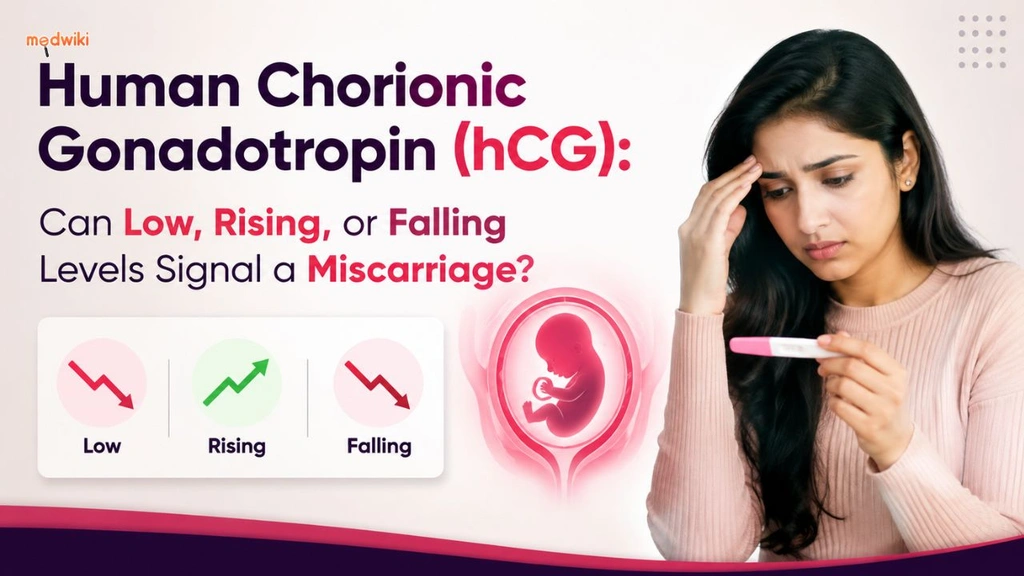
Human chorionic gonadotropin(hCG) is a hormone produced by the placenta shortly after a fertilized egg implants in the uterus. It plays an essential role in supporting early pregnancy and is commonly measured through blood or urine tests. Doctors often monitor hCG levels to assess whether a pregnancy is progressing normally.During the first few weeks of pregnancy, hCG levels usually rise rapidly, often doubling every 48 to 72 hours. However, every pregnancy is unique, and hCG values can vary widely between individuals. A single hCG result does not always provide enough information about the health of a pregnancy.When hCG levels are lower than expected, rise more slowly, or begin to fall, it may indicate an early pregnancy loss, also known as a miscarriage. Understanding how hCG behaves during pregnancy and miscarriage can help reduce confusion and guide appropriate medical care.What Are Human Chorionic Gonadotropin(hCG) Levels?Human chorionic gonadotropin (hCG) is a hormone released by cells that eventually form the placenta after implantation. Its primary role is to support the production ofprogesterone, which helps maintain the uterine lining and supports early fetal development.The hormone becomes detectable in the blood around 8–11 days after ovulation and shortly afterward in urine. This is why pregnancy tests work by detecting hCG, making it one of the earliest signs of pregnancy.Healthcare providers may monitor hCG levels through blood tests when there are concerns about pregnancy progression, symptoms such as bleeding or pain, or a history of miscarriage. Tracking changes over time often provides more useful information than a single hCG measurement.When Are Human Chorionic Gonadotropin (hcg) Levels Considered Normal During PregnancyHuman chorionic gonadotropin (hCG) levels naturally increase during early pregnancy to support the developing embryo. While normal hCG values vary widely, healthcare providers are more interested in how the hormone changes over time than in a single test result.hCG levels vary considerably between healthy pregnancies.Doctors monitor the pattern of hCG rise rather than one value.In early pregnancy, hCG usually doubles every 48–72 hours.The rate of increase slows as pregnancy progresses.hCG levels peak around the end of the first trimester.After peaking, hCG levels gradually decline.Approximate hCG Levels by Week of Pregnancy3 weeks: 5–72 mIU/mL4 weeks: 10–708 mIU/mL5 weeks: 217–8,245 mIU/mL6 weeks: 152–32,177 mIU/mL7–8 weeks: 4,059–153,767 mIU/mL9–12 weeks: 25,700–288,000 mIU/mLThese ranges are provided as a general reference and may differ from one pregnancy to another. A healthcare provider interprets hCG results alongside ultrasound findings, symptoms, and repeat blood tests to assess pregnancy health accurately.Do Low Human Chorionic Gonadotropin (hCG) Levels in Early Pregnancy Always Mean a Miscarriage?Low hCG levels in early pregnancy do not always indicate a miscarriage. In many cases, the pregnancy may be earlier than expected because of later ovulation or implantation, resulting in naturally lower hormone levels.Low hCG levels do not always mean a miscarriage will occur.Laterovulation or implantation can lead to lower hCG levels.A single low hCG result is usually not enough for diagnosis.Doctors often repeat the hCG test after48–72 hours.A healthy pregnancy typically shows an appropriate rise in hCG.Additional tests may include repeat blood work and an ultrasound.Healthcare providers assess hCG trends along with ultrasound findings and pregnancy symptoms before making a diagnosis. Monitoring changes over time provides a more reliable assessment than relying on a single hCG measurement.How Fast Should Human Chorionic Gonadotropin (hCG) Levels Double During Pregnancy?During the first few weeks of pregnancy, hCG levels usually double every48 to 72 hours. While this pattern often indicates a normally progressing pregnancy, slight variations are common and do not always signal a problem.In early pregnancy, hCG typically doubles every48–72 hours.Slight variations in doubling time are common.hCG levels rise more slowly after6–7 weeks of pregnancy.Ultrasound becomes more reliable as pregnancy progresses.Doctors assess the overall hCG trend rather than one value.Consistent increases are more important than exact doubling.Healthcare providers interpret hCG doubling time alongside ultrasound findings, pregnancy symptoms, and repeat blood tests. Evaluating the overall pattern of hormone changes provides a more accurate assessment of early pregnancy than a single measurement.Why Is a Blood Test Used to Measure hCG Levels During Pregnancy?A quantitative blood test measures the exact amount of hCG in the bloodstream and helps healthcare providers monitor how pregnancy is progressing. It is more sensitive than a home pregnancy test and can detect pregnancy at an earlier stage.A quantitative blood test measures the exact hCG level.It can detect pregnancy earlier than most home pregnancy tests.Serial blood tests help monitor changes in hCG over time.Doctors may order the test for bleeding, pain, or pregnancy concerns.Blood tests can help evaluate possible miscarriage or ectopic pregnancy.hCG results are interpreted together with ultrasound findings.A blood test alone cannot diagnose a miscarriage or confirm pregnancy health. Healthcare providers combine hCG results with pregnancy symptoms, physical examination, and ultrasound findings to make an accurate diagnosis and determine the appropriate next steps.What Does a Miscarriage hCG Levels Chart Show?There is no single hCG level that confirms a miscarriage because hormone levels vary widely between pregnancies. Healthcare providers evaluate changes in hCG over time rather than relying on one test result to assess pregnancy progression.No single hCG value can diagnose a miscarriage.Doctors monitor hCG trends over multiple blood tests.Appropriately rising hCG may indicate a healthy pregnancy.Slow-rising hCG may require further evaluation.Plateauing hCG may suggest a pregnancy complication.Falling hCG may indicate a miscarriage or resolving pregnancy.These hCG patterns provide general guidance but cannot confirm pregnancy loss on their own. Healthcare providers interpret hCG results together with ultrasound findings, pregnancy symptoms, and clinical evaluation to determine the most accurate diagnosis.How Long Do hCG Levels Take to Return to Normal After a Miscarriage?After a miscarriage, hCG levels gradually decrease until they return to the non-pregnant range, usuallybelow 5 mIU/mL. The time needed for this decline depends on the stage of pregnancy and the hCG level before the pregnancy loss.hCG levels gradually fall after a miscarriage.Normal non-pregnant hCG levels are usually below5 mIU/mL.Recovery time depends on the pregnancy stage and initial hCG level.Early miscarriages often show a faster decline in hCG.Later pregnancies may take longer for hCG to return to normal.Repeat blood tests help monitor the decline in hCG levels.Healthcare providers may recommend follow-up blood tests to confirm that hCG levels are decreasing as expected. This monitoring helps ensure the miscarriage is complete and identifies whether any additional medical evaluation or treatment is needed.ConclusionhCG is an importanthormone that supports early pregnancy and provides valuable information about how a pregnancy is progressing. While normal, low, slow-rising, or falling hCG levels can offer useful clues, no single hCG value can confirm or rule out a miscarriage.Doctors rely on serial hCG blood tests, ultrasound findings, and clinical symptoms to assess pregnancy health accurately. Monitoring the trend of hCG over time is far more meaningful than interpreting a single test result.If you experience bleeding, severe cramping, or have concerns about your hCG levels during pregnancy, seek medical advice promptly. Early evaluation can help identify the cause of symptoms and ensure you receive the most appropriate care.Frequently Asked Questions.Q1. What are normal hCG levels at 4 weeks pregnant?Normal hCG levels at 4 weeks generally range from10 to 708 mIU/mL, although healthy pregnancies can have values outside this range.Q2. Can low hCG levels mean a miscarriage?Low hCG levels may be associated with a miscarriage, but they do not confirm pregnancy loss without repeat blood tests and an ultrasound.Q3. What does slow rising hCG mean?Slow rising hCG levels may indicate a pregnancy that requires closer monitoring, but some pregnancies with slower increases still develop normally.Q4. Do hCG levels drop after a miscarriage?Yes. After a miscarriage, hCG levels usually begin to decline until they return to the normal non-pregnant range.Q5. How long does hCG stay in the body after a miscarriage?In most cases, hCG becomes undetectable within2 to 6 weeks, depending on the stage of pregnancy and individual recovery.Q6. Can a pregnancy test remain positive after a miscarriage?Yes. A pregnancy test may remain positive for several weeks because it detects the remaining hCG in the body.Q7. What is the normal hCG doubling time in early pregnancy?During early pregnancy, hCG typically doubles every48 to 72 hours, although the rate naturally slows as pregnancy progresses.
1:15
Havingpregnancy-like symptoms while seeing a negative pregnancy test can be confusing, especially when a period is late or symptoms such as nausea, breast tenderness, fatigue, or increased urination are present. A negative result does not always provide the complete answer if testing is done very early.Anegative urine pregnancy test can occur when the pregnancy hormone human chorionic gonadotropin (hCG) has not yet reached a level that the test can detect. Testing too early, using the test incorrectly, or testing with diluted urine can sometimes contribute to a negative result.However, pregnancy symptoms can also occur when someone is not pregnant. Premenstrual syndrome (PMS), hormonal fluctuations, stress, and other conditions can cause symptoms that may feel similar to early pregnancy. Understanding when and how to test can help clarify the situation.Can You Be Pregnant With a Negative Pregnancy Test?Yes, it is possible to have a negative pregnancy test early in pregnancy, particularly if the test is taken before there is enough hCG in the urine. The timing of ovulation and implantation can vary, so pregnancy may be earlier than expected based on the menstrual cycle.Early pregnancy may produce hCG levels that are still too low for a urine test to detect.Home pregnancy tests detect hCG in urine rather than pregnancy symptoms.Testing before a missed period may sometimes give a negative result.Later ovulation can make pregnancy detection occur later than expected.Diluted urine may contain less concentrated hCG.A negative result becomes more informative when the test is taken after a missed period and used correctly. If the period remains absent and pregnancy is still suspected, repeating the test after some time or discussing other testing options with a healthcare professional may provide more information.Can Testing Too Early Cause a False Negative Pregnancy Test?Yes,testing too early is one of the common reasons a pregnancy test may be negative even when pregnancy is possible. The body needs time to produce enough hCG for a test to detect it.Testing before a missed period may be too early for some people.Ovulation occurring later than expected can shift the timing of pregnancy detection.Implantation timing varies and affects when hCG begins increasing.Low hCG levels may remain below the detection limit of a urine test.Early testing may produce a negative result that changes later.A negative test taken very early does not necessarily rule out pregnancy. If the period remains late, repeating the test according to the test instructions may help clarify the result.Why Is My Period Late but My Pregnancy Test Is Negative?Alate period with a negative pregnancy test does not always mean pregnancy. Menstrual cycles can become longer or shorter because of changes in hormones, stress, illness, changes in routine, or variations in when ovulation occurs.Late ovulation can delay the expected period and pregnancy detection.Stress may affect the timing of the menstrual cycle.Hormonal changes can sometimes cause irregular periods.Illness or changes in routine may temporarily affect menstruation.PMS symptoms can occur before a delayed period.If the period remains absent and repeated pregnancy tests are negative, a healthcare professional can help determine why the cycle is delayed. The appropriate evaluation depends on the person's symptoms and menstrual history.Can You Have Pregnancy Symptoms but Not Be Pregnant?Yes,pregnancy symptoms but not pregnant can occur because many early pregnancy symptoms are not unique to pregnancy. Hormonal changes before menstruation can produce similar sensations.Breast tenderness can occur with normal hormonal changes.Fatigue may have many possible causes.Nausea can occur for reasons unrelated to pregnancy.Bloating may occur around menstruation.Mild cramping can occur during different stages of the menstrual cycle.Symptoms alone cannot confirm pregnancy. A pregnancy test detects hCG and is generally more useful for determining whether pregnancy is present than symptoms by themselves.What Are the Causes of a False Negative Pregnancy Test?Several factors can contribute to afalse negative pregnancy test. A negative result may occur because pregnancy testing was performed too early, the urine was diluted, or the test was not used according to its instructions.Testing too early may occur before hCG reaches detectable levels.Diluted urine can make hCG more difficult to detect.Incorrectly used tests may produce an unreliable result.Expired or damaged tests may not work as expected.Reading the result outside the recommended time can cause confusion.Checking the expiration date, following the test instructions carefully, and repeating the test when appropriate can help reduce the chance of an incorrect interpretation.When Should You Retake a Pregnancy Test?If ahome pregnancy test is negative but the period remains late or pregnancy is still suspected, repeating the test later may provide a clearer result. The appropriate timing depends on when ovulation and potential conception occurred.Repeat testing may help when the first test was taken very early.Testing after a missed period can improve the chance of detecting hCG.First morning urine may be useful when testing early.Follow the test instructions carefully each time.Use an unexpired test to reduce the possibility of an inaccurate result.If repeated urine tests remain negative while the period does not occur, a healthcare professional can help determine whether another cause is responsible and whether additional testing, such as a blood pregnancy test, is appropriate.Could an Ectopic Pregnancy Cause a Negative Pregnancy Test?Anectopic pregnancy occurs when a pregnancy develops outside the usual location in the uterus, most commonly in a fallopian tube. It can cause symptoms such as abdominal or pelvic pain or unusual bleeding and requires medical evaluation.Pelvic or abdominal pain can occur with an ectopic pregnancy.Unusual vaginal bleeding may occur.Shoulder pain can sometimes occur with internal irritation.Dizziness or fainting can be a warning sign of significant internal bleeding.Pregnancy testing may still be positive, although very early testing can be negative.Urgent medical assessment is important when concerning symptoms occur.A negative home test makes pregnancy less likely but does not replace medical evaluation when significant symptoms are present. Severe pain, heavy bleeding, fainting, or other urgent symptoms require prompt medical care.When Should You See a Doctor About a Negative Pregnancy Test?A negative test with a late period may not require immediate medical attention if there are no concerning symptoms. However, persistent missed periods, repeated pregnancy-like symptoms, or symptoms that are severe or unusual may warrant professional evaluation.A persistently late period may need assessment when pregnancy tests remain negative.Repeated negative tests with ongoing concerns can be discussed with a healthcare professional.Severe abdominal or pelvic pain requires prompt medical attention.Heavy or unusual bleeding should be evaluated.Dizziness or fainting with possible pregnancy symptoms requires urgent assessment.A healthcare professional may review menstrual timing, symptoms, medications, and previous test results. Depending on the situation, blood testing or other evaluation may be considered.ConclusionAnegative pregnancy test but feeling pregnant does not always have a single explanation. Testing too early, diluted urine, incorrectly used tests, and later-than-expected ovulation can sometimes produce a negative result before pregnancy can be detected.Pregnancy-like symptoms can also occur without pregnancy because PMS, hormonal changes, stress, and other factors may cause similar symptoms. A properly performed home pregnancy test is generally more useful than symptoms alone for determining pregnancy status.If a period remains late after a negative test, repeating the test at an appropriate time may help clarify the result. Anyone experiencing severe abdominal pain, heavy bleeding, dizziness, fainting, or other concerning symptoms should seek prompt medical evaluation.Frequently Asked Questions1. Can you be pregnant with a negative pregnancy test?Yes, especially when the test is taken very early. Low hCG levels, diluted urine, later ovulation, or incorrect test use can contribute to a negative result.2. Why do I feel pregnant but the test is negative?Pregnancy-like symptoms can occur because of PMS, hormonal changes, stress, or other causes. Testing too early can also produce a negative result before hCG becomes detectable.3. Can a late period and negative pregnancy test still mean pregnancy?Yes, particularly if ovulation occurred later than expected or the test was taken too early. Repeating the test later may provide a clearer result.4. Is first morning urine better for a pregnancy test?First morning urine is often more concentrated and may make hCG easier to detect, particularly when testing early. Always follow the instructions provided with the test.5. When should I retake a pregnancy test?If the first test was negative but the period remains late, repeating the test later may provide a more reliable result. The timing depends on when ovulation and possible conception occurred.6. What can cause a false negative pregnancy test?Testing too early, diluted urine, incorrect test use, expired tests, and later-than-expected ovulation can contribute to a false negative result.7. Can an ectopic pregnancy cause a negative pregnancy test?An ectopic pregnancy can sometimes be difficult to detect very early, although pregnancy tests are often positive. Severe abdominal or pelvic pain, heavy bleeding, dizziness, or fainting requires prompt medical evaluation.
1:15
A very early pregnancy loss that occurs shortly after implantation, usually before it can be detected through an ultrasound, is called a chemical pregnancy. It happens when a fertilized egg implants in the uterus but does not continue developing normally.Many women experience a chemical pregnancy without realizing they were pregnant because the loss occurs within the first few weeks. It usually happens before agestational sac oryolk sac can develop enough to be seen on an ultrasound.Although a chemical pregnancy can be emotionally difficult, it is a common type of early pregnancy loss. Understanding its symptoms, causes, recovery process, and chances of future pregnancy can help women manage this experience better.What Is Chemical Pregnancy?A chemical pregnancy is a type of early miscarriage that happens when a pregnancy ends shortly after implantation. The body produces the pregnancyhormone human chorionic gonadotropin(hCG), which can be detected through a pregnancy test.The term “chemical” refers to the fact that the pregnancy is confirmed only through chemical changes in the body, such as increased hCG levels, butcannot be seen on an ultrasound.In most cases, a chemical pregnancy occurs before the fifth week of pregnancy. It means that fertilization and implantation happened, but the embryo did not develop enough to continue the pregnancy.What Are the Symptoms of Chemical Pregnancy During Week 4?A chemical pregnancy during week four may cause early pregnancy symptoms that often change as hCG levels decrease. Some women may notice symptoms, while others may have no clear signs.Apositive pregnancy testmay appear during early pregnancy.Breast tenderness and fatigue may occur due to hormonal changes.Mild nausea or pregnancy-like symptoms may be experienced.Symptoms may disappear as hCG levels start decreasing.Vaginal bleeding may occur after a positive test result.Mild cramps or lower abdominal discomfort can be noticed.Chemical pregnancy symptoms can vary from woman to woman. Early bleeding after a positive pregnancy test may indicate a very early pregnancy loss and should be discussed with a healthcare provider.Why Does Chemical Pregnancy Happen?A chemical pregnancy can occur due to different factors, although the exact reason is often unknown. In many cases, it happens because the pregnancy cannot develop normally.Chromosomal abnormalities are the most common cause of early pregnancy loss.Genetic problems may occur randomly during fertilization.Hormonal imbalances can affect early pregnancy development.Uterine conditions may interfere with implantation.Thyroid disorders or infections may increase risk in some cases.A single chemical pregnancy usually does not indicate a serious problem.Chemical pregnancy is often a natural process where the body stops a pregnancy that is not developing properly. Many women can have healthy pregnancies in the future.How Is Chemical Pregnancy Linked to Early Miscarriage?A chemical pregnancy is considered an early miscarriage because it occurs in the first few weeks of pregnancy. It often happens before noticeable pregnancy symptoms appear.It occurs shortly after implantation when the pregnancy stops developing.Genetic or developmental problems are common reasons for early pregnancy loss.The body may naturally end a pregnancy that cannot grow normally.A chemical pregnancy does not usually affect future fertility.Many women achieve a healthy pregnancy after experiencing early loss.Early miscarriage can be emotionally challenging, but it is a common experience. With proper care and support, most women can recover and have successful pregnancies in the futureWhat Happens to Pregnancy Test Results During a Chemical Pregnancy?A chemical pregnancy test detects early pregnancy by measuringhCG hormone levels after implantation. It helps identify a pregnancy that ends before it can be seen on an ultrasound.A home pregnancy test can detect early hCG production.A positive result may appear before early pregnancy loss occurs.A faint line may indicate low levels of hCG in the body.The test line may disappear as hormone levels decrease.Blood tests provide more accurate hCG measurements.Doctors may check hCG levels over time for confirmation.A falling hCG level can suggest that the pregnancy is not continuing.Chemical pregnancy testing helps doctors understand early pregnancy changes and provide appropriate guidance. It also helps women recognize that an early positive test followed by bleeding may indicate a very early loss.What Do Chemical Pregnancy Cramps Feel Like?Chemical pregnancy cramps are a common symptom that may occur when the body ends a very early pregnancy. They can feel similar to menstrual cramps and may vary in intensity.Mild cramps may occur as the uterus sheds pregnancy tissue.Cramping can happen along with vaginal bleeding.Bleeding may be heavier or different from a normal period.The intensity of cramps can vary between individuals.Severe or ongoing cramps may require medical evaluation.Chemical pregnancy cramps are usually temporary and improve as the body recovers. Seeking medical advice can help rule out other possible causes of pain.How Long Does Chemical Pregnancy Recovery Take?Recovery after a chemical pregnancy is usually quick because the loss occurs at a very early stage. However, emotional healing may take more time and support.Physical recovery often happens within a few days to weeks.Bleeding may continue for a short period after the loss.Menstrual cycles usually return to normal soon.Emotional healing may require time and self-care.Follow-up care can help monitor recovery progress.A healthy lifestyle may support overall well-being.Chemical pregnancy recovery is different for every woman. Proper support, medical guidance, and emotional care can help during the healing process.Can You Get Pregnant After a Chemical Pregnancy?Many women go on to have healthy pregnancies after experiencing a chemical pregnancy. One early pregnancy loss does not usually affect future fertility.Most women can conceive again after a chemical pregnancy.A single early loss rarely reduces future pregnancy chances.Ovulation may return within a few weeks.The right time to try again varies for each individual.Emotional and physical readiness are both important.Many future pregnancies progress normally and result in healthy births.A chemical pregnancy does not mean the same outcome will happen again. Consulting a healthcare provider can help ensure the best plan for a future pregnancy.ConclusionA chemical pregnancy is a veryearly pregnancy loss that usually occurs before the fifth week of pregnancy. Although it can be emotionally challenging, it is a common experience and is often caused by chromosomal abnormalities that are beyond anyone’s control.Recognizing the signs, such as a positive pregnancy test followed by bleeding and mild cramping, can help women understand what is happening and seek medical advice when needed. Early evaluation is especially important if symptoms are severe, recur frequently, or raise concerns about overall reproductive health.Most importantly, a chemical pregnancy does not mean future pregnancies will be unsuccessful. With proper medical guidance, emotional support, and a healthy lifestyle, many women go on to have healthy pregnancies and successful outcomes.Frequently asked questionQ1. What is a chemical pregnancy?A chemical pregnancy is a very early pregnancy loss that occurs shortly after implantation, usually before 5 weeks of pregnancy.Q2. What causes a chemical pregnancy?The most common cause is chromosomal abnormalities that prevent the embryo from developing normally.Q3. What are the symptoms of a chemical pregnancy?Common symptoms include a positive pregnancy test followed by bleeding, mild cramping, and a delayed period.Q4. Can a chemical pregnancy be seen on an ultrasound?No, a chemical pregnancy usually occurs too early to be detected on an ultrasound.Q5. Does a chemical pregnancy affect future fertility?No, most women can conceive again and have healthy pregnancies after a chemical pregnancy.Q6. How long does it take to recover from a chemical pregnancy?Physical recovery usually takes a few days to a couple of weeks, while emotional recovery varies for each person.Q7. Can I get pregnant after a chemical pregnancy?Yes, many women successfully become pregnant again after a chemical pregnancy.
1:15
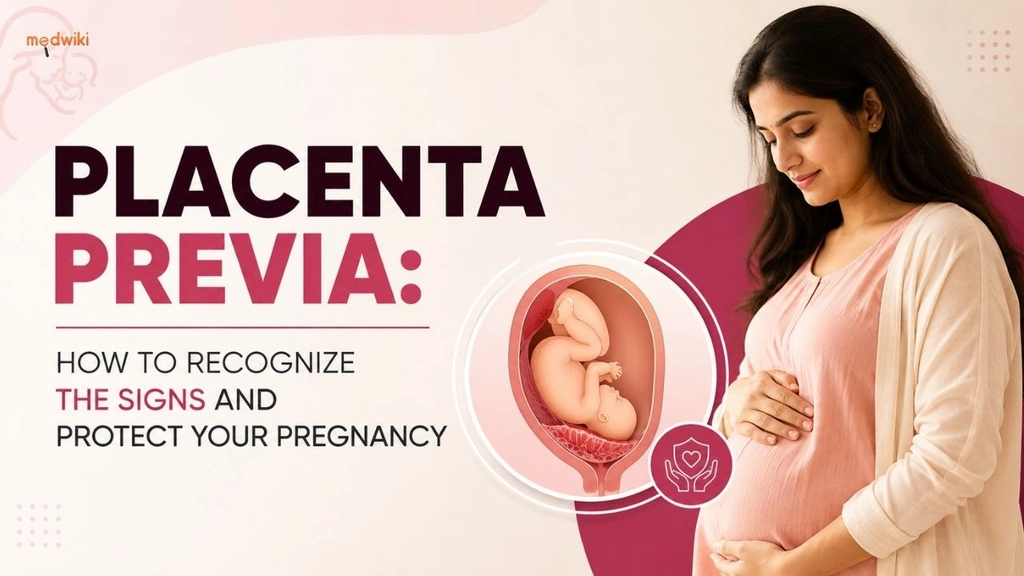
A low-lying placenta during pregnancy can sometimes cover the cervix, creating a condition known asplacenta previa. Because the cervix is the baby's passage during childbirth, this condition may increase the risk of bleeding and make a vaginal delivery unsafe in some cases.Although placenta previa is relatively uncommon, it requires careful monitoring throughout pregnancy because it can lead to serious complications for both the mother and the baby if not managed appropriately. Routine prenatal ultrasounds play a vital role in detecting the condition early and helping healthcare providers plan the safest course of care.Learning aboutplacenta previa, including its symptoms, possible causes, diagnosis, treatment options, and delivery planning, can help expectant mothers understand the condition, recognize warning signs promptly, make informed decisions with their healthcare provider, and improve the chances of a safe pregnancy and healthy birth.What Is Placenta PreviaPlacenta previa is a condition in which the placenta implants unusually low inside the uterus instead of attaching to the upper uterine wall. As pregnancy progresses, the placenta may partially or completely cover the cervix, makingchildbirth more complicated.The placenta supplies oxygen and nutrients to the developing baby while removing waste products from the baby's blood. When it blocks the cervix, it can interfere with the baby's passage during labor and increase the risk of severe bleeding.Many cases detected early in pregnancy resolve naturally as the uterus grows and the placenta moves upward. However, placenta previa that persists into the third trimester requires close medical monitoring and delivery planning.When Do Placenta Previa Symptoms Usually Appear?lacenta previa symptoms vary depending on how much of the cervix is covered and the stage of pregnancy. Some women have no symptoms until a routine ultrasound, whileothers may notice painless bleeding or reducedfetal movement that requires immediate medical attention.Painless, bright red vaginal bleeding during the second or third trimester.Sudden bleeding that may stop on its own and return later.Light or heavy vaginal bleeding without an obvious cause.Pelvic pressure or mild discomfort in some cases.Uterine contractions that may accompany bleeding.Bleeding after sexual intercourse.Not every woman with placenta previa experiences symptoms, especially during the early stages of pregnancy. However, any episode of vaginal bleeding should never be ignored, even if it stops on its own.Why Does Placenta Previa Occur?Placenta previa develops when the placenta implants in the lower part of the uterus instead of the upper portion during early pregnancy. While the exact reason is not always known, certain factors can increase the likelihood of this condition.Implantation of the fertilized egg in the lower part of the uterus.Previous cesarean section.History of uterine surgery or procedures.Placenta previa in a previous pregnancy.Maternal age of 35 years or older.Multiple pregnancies or previous childbirths.Twin or multiple pregnancies.Smoking during pregnancy.Regular prenatal checkups and routine ultrasounds are essential for early detection, allowing healthcare providers to monitor the pregnancy closely and plan appropriate care if placenta previa is diagnosed.What Happens If You Have a Low-Lying Placenta?A low-lying placenta is positioned close to the cervix but does not cover its opening. It is often detected during the routine mid-pregnancy ultrasound.The placenta is near the cervix without blocking it.Commonly diagnosed during the second-trimester anatomy scan.In many cases, the placenta moves upward as the uterus grows.Follow-up ultrasounds monitor the placenta's position later in pregnancy.If it remains close to the cervix, delivery options are carefully assessed.A cesarean section may be recommended if vaginal delivery is considered unsafe.Most low-lying placentas resolve naturally before delivery and do not lead to placenta previa. Regular monitoring helps ensure the safest birth plan for both the mother and baby.How Serious Is Complete Placenta Previa?Complete placenta previa occurs when the placenta completely covers the cervix, blocking the baby's passage through the birth canal. This is themost severe type of placenta previa.The placenta completely covers the cervical opening.Vaginal delivery is usually not possible.There is a higher risk of heavy bleeding before or during labor.Hospitalization may be needed if significant bleeding occurs.A planned cesarean section is typically recommended before labor begins.Careful monitoring helps reduce risks for both the mother and baby.With proper prenatal care and timely delivery planning, most women with complete placenta previa can have a safe birth and healthy pregnancy outcome.What Are the Risks of Partial Placenta Previa?Partial placenta previa occurs when the placenta covers only part of the cervix instead of blocking it completely. The placental position may change as the uterus expands during pregnancy.The placenta partially covers the cervical opening.The degree of coverage may decrease as pregnancy progresses.Follow-up ultrasounds monitor changes in placental position.Some women may become candidates for vaginal delivery if the placenta moves away.A cesarean section is recommended if the cervix remains covered near delivery.Regular prenatal monitoring helps reduce the risk of complications.Many cases of partial placenta previa improve naturally before childbirth. Ongoing medical evaluation ensures the safest delivery method based on the placenta's final position.How Do Doctors Diagnose Placenta Previa?Placenta previa is usually diagnosed during routine prenatal ultrasounds that evaluate the placenta's location in relation to the cervix. Early diagnosis helps guide pregnancy management and delivery planning.Routine transabdominal ultrasound is the primary diagnostic test.Transvaginal ultrasound may be used for a more detailed assessment.Ultrasound accurately determines the placenta's position.Follow-up scans monitor changes as pregnancy progresses.Digital vaginal examinations are avoided until placenta previa is ruled out.Early diagnosis helps reduce the risk of pregnancy complications.Regular prenatal imaging allows healthcare providers to monitor the condition closely and make timely decisions to ensure the safest possible outcome for both the mother and baby.Can Placenta Previa Be Treated During Pregnancy?Placenta previa treatment focuses on managing symptoms, preventing complications, and ensuring the safest possible outcome for both the mother and baby. The treatment plan depends on the severity of bleeding and the stage of pregnancy.Treatment is based on bleeding severity and gestational age.There is no medication that can reposition the placenta.Mild cases may require rest and regular prenatal monitoring.Strenuous activities and sexual intercourse are often restricted.Hospitalization may be needed if heavy bleeding occurs.Blood transfusions, medications, or emergency cesarean delivery may be required in severe cases.Careful monitoring throughout pregnancy allows healthcare providers to respond quickly if complications arise. The goal is to prolong the pregnancy safely while planning the most appropriate time and method of delivery.What Are the Possible Complications of Placenta Previa?Placenta previa can cause serious complications if significant bleeding occurs during pregnancy or childbirth. Early diagnosis and close medical supervision help reduce these risks.Heavy vaginal bleeding before or during delivery.Increased risk of anemia and blood transfusion.Premature birth due to early delivery.Higher chance of placenta accreta in some pregnancies.Postpartum hemorrhage after childbirth.Emergency cesarean section or, rarely, hysterectomy in severe cases.Although complications can be serious, many women with placenta previa have successful pregnancies with appropriate prenatal care. Regular monitoring and timely medical intervention play a key role in protecting both the mother and baby.When Is Delivery Recommended for Placenta Previa?Delivery planning for placenta previa depends on the placenta's position, the severity of bleeding, and the baby's condition. Healthcare providers determine the safest delivery method based on regular pregnancy assessments.Delivery plans are based on the placenta's location and pregnancy progress.Regular monitoring helps determine the safest time for birth.A planned cesarean section is recommended if the placenta covers the cervix.Early delivery may be scheduled to reduce the risk of severe bleeding.Vaginal delivery is considered only when the placenta is safely away from the cervix.Maternal and fetal safety remain the top priority during delivery planning.With careful planning and appropriate medical care, most women with placenta previa can have a safe delivery. Following the recommended birth plan helps reduce complications for both the mother and the baby.Why Is a C-Section Recommended for Placenta Previa?A cesarean section is the preferred method of delivery for complete placenta previa and many persistent cases of partial placenta previa. It prevents the baby from passing through a blocked cervix.The surgery is usually planned before labor begins, reducing the likelihood of emergency procedures caused by sudden bleeding. The exact timing depends on maternal and fetal condition.During the operation, experienced obstetric teams prepare for the possibility of increased bleeding. Blood products and specialized surgical care are available if complications arise.ConclusionPlacenta previa is a potentially serious pregnancy complication in which the placenta lies low in the uterus and may cover the cervix. Early diagnosis through routine ultrasound plays a key role in preventing complications.Most women receive regular monitoring throughout pregnancy, and many cases diagnosed early resolve naturally as the uterusexpands. Persistent placenta previa requires careful planning and specialist obstetric care.With timely diagnosis, appropriate treatment, and a well-planned delivery—often by cesarean section—most women with placenta previa can have safe outcomes for both themselves and their babies.Frequently Asked Questions (FAQs)1. What is placenta previa?Placenta previa is a pregnancy complication in which the placenta partially or completely covers the cervix.2. What are the symptoms of placenta previa?The most common symptom is painless, bright red vaginal bleeding during the second or third trimester.3. What causes placenta previa?Placenta previa is associated with factors such as previous cesarean sections, uterine surgery, multiple pregnancies, smoking, and advanced maternal age.4. How is placenta previa diagnosed?Placenta previa is diagnosed using prenatal ultrasound, and a transvaginal ultrasound may be used for a more detailed evaluation.5. Can placenta previa be treated?Treatment involves close monitoring, managing bleeding, and planning the safest delivery based on the pregnancy stage.6. What is the difference between a low-lying placenta and placenta previa?A low-lying placenta is near the cervix without covering it, while placenta previa partially or completely covers the cervical opening.7. Is a C-section necessary for placenta previa?A cesarean section is usually recommended if the placenta continues to cover the cervix near delivery.
1:15
Experiencing a miscarriage can be one of the most emotional and challenging moments in a person's life. Along with physical recovery, many couples worry about whether they will be able to have a healthy baby in the future. UnderstandingPregnancy After Miscarriage, the recovery process, and the right time to try again can help you feel more confident and prepared for the next chapter.While every pregnancy journey is unique, proper medical care, emotional support, and healthy lifestyle choices can improve your chances of a healthy pregnancy. Emotional well-being is also important because positive experiences, bonding, and support can encourage the release ofoxytocin, often known as the “love and bonding hormone,” which plays a role in emotional connection, stress regulation, and overall well-being during pregnancy.In this guide, we will discussMiscarriage Recovery,Getting Pregnant After Miscarriage,Miscarriage Causes,Recurrent Miscarriage,Prenatal Care After Miscarriage, and practical tips for achieving a healthy pregnancy after pregnancy loss.What Is Pregnancy After MiscarriagePregnancy after miscarriage refers to conceiving again following the loss of a pregnancy before 20 weeks. A miscarriage is more common than many people realize, and in most cases, it does not mean you will have difficulty becoming pregnant again. Many womenconceive naturally within a few months and deliver healthy babies.After a miscarriage, your body begins healing almost immediately. Hormone levels gradually return to normal, ovulation resumes, and the uterus recovers to support another pregnancy. Even if you are one week pregnant after conceiving again, early development has just begun, while emotional healing may take longer than physical recovery. It is completely normal to experience a range of emotions during this time.Healthcare providers usually recommend waiting until you feel physically and emotionally ready before trying to conceive again. Every person's recovery is different, so there is no universal timeline. Regular medical checkups and open communication with your doctor can help ensure that your next pregnancy begins under the best possible conditions.When Can You Try to Conceive AgainMost women can try to conceive after one normal menstrual cycle following a miscarriage. However, the right time depends on physical recovery and emotional readiness. Your healthcare provider can recommend the best timeline based on your situation.Before trying again, schedule a preconception check-up and start taking folic acid daily. Eating abalanced diet, maintaining a healthy weight, and avoiding smoking or alcohol can improve your chances of a healthy pregnancy. These simple steps help prepare your body for conception.If you have experienced recurrent miscarriages or pregnancy complications, seek medical advice before conceiving again. Your doctor may recommend tests to identify any underlying causes. With proper care and planning, many women go on to have healthy pregnancies.Miscarriage Recovery: Physical and Emotional HealingRecovering from a miscarriage involves both physical healing and emotional recovery. While the body usually heals within a few weeks, emotional healing may take longer. Every woman's recovery journey is different and should not be rushed.Getting enough rest, staying hydrated, and eating nutritious foods can support physical recovery. Attend follow-up appointments to ensure the uterus has healed properly. Contact your doctor if you experience heavy bleeding, severe pain, or signs of infection.It is normal to feel sadness, anxiety, or fear after pregnancy loss. Talking with your partner, family, friends, or a mental health professional can provide emotional support. Giving yourself time to heal can help you feel more confident about a future pregnancy.What Causes a MiscarriageA miscarriage can occur for several reasons, and in many cases, the exact cause remains unknown. Knowing the common risk factors can help you understand your pregnancy better and take preventive measures where possible.Chromosomal abnormalities The most common cause of miscarriage during early pregnancy.Hormonal imbalances Low progesterone or hormonal disorders can affect pregnancy.Uterine or cervical conditions Structural problems may increase the risk of pregnancy loss.Chronic health conditions Diabetes, thyroid disorders, and autoimmune diseases can contribute to miscarriage.Infections – Certain infections may interfere with a healthy pregnancy.While these factors may increase the risk, most women go on to have a healthy pregnancy after a miscarriage. If you experience recurrent pregnancy loss, consult your healthcare provider for further evaluation and treatment.Chances of a Healthy Pregnancy After MiscarriageMost women who experience a miscarriage go on to have a healthy pregnancy in the future. With proper medical care and healthy lifestyle choices, the chances of a successful pregnancy remain high.Most women have a successful pregnancy after one miscarriage.A single miscarriage usually does not increase future pregnancy risks.Taking folic acid before conception supports fetal development.Managing chronic health conditions improves pregnancy outcomes.Regular prenatal check-ups help monitor the baby's growth.Eating a balanced diet and staying active support a healthy pregnancy.Avoiding smoking, alcohol, and drugs lowers pregnancy complications.Following your doctor's advice and maintaining a healthy lifestyle can improve your confidence and pregnancy journey. Early prenatal care plays a key role in supporting both maternal and fetal health.Does a Previous Miscarriage Affect Future PregnancyFor most women, having one miscarriage does not significantly increase the risk of another pregnancy loss. The chances of having a healthy pregnancy remain high, especially with proper prenatal care. Understanding your individual risk factors can help you plan your next pregnancy with confidence.The risk of miscarriage may be higher if you have experienced recurrent miscarriages, are over the age of 35, or have certain medical conditions such as diabetes or thyroid disorders. Lifestyle factors like smoking, alcohol use, and obesity can also increase the risk. Managing these factors before conception can improve pregnancy outcomes.Regular prenatal check-ups, taking folic acid, and following a healthy lifestyle can help support a successful pregnancy. Your healthcare provider may recommend additional monitoring if you have a history of pregnancy loss. With the right care, most women go on to have healthy pregnancies after a miscarriage.Why Prenatal Care Matters After a MiscarriagePrenatal care is especially important after a miscarriage to monitor both the mother's health and the baby's development. Early medical support can help identify potential concerns before they become serious.Schedule your first prenatal visit as soon as pregnancy is confirmed.Take prenatal vitamins with folic acid every day.Attend all recommended prenatal check-ups and scans.Monitor blood pressure, blood sugar, and overall health.Eat a balanced diet rich in essential nutrients.Stay physically active with your doctor's approval.Report any unusual symptoms to your healthcare provider immediately.Consistent prenatal care provides reassurance and supports a healthier pregnancy. Following your doctor's recommendations can help reduce complications and improve pregnancy outcomes.Why Do Recurrent Miscarriages HappenRecurrent miscarriage refers to experiencing two or more consecutive pregnancy losses. While it can be emotionally difficult, many couples can still achieve a healthy pregnancy with proper medical evaluation and treatment. Identifying the underlying cause is an important step toward improving future pregnancy outcomes.Several factors may contribute to recurrent miscarriage, including chromosomal abnormalities, hormonal disorders, uterine abnormalities, autoimmune conditions, and certain genetic factors. Your doctor may recommend blood tests, imaging, or genetic testing to determine the cause. The treatment plan will depend on the specific condition identified.If you have experienced recurrent miscarriages, consult a fertility specialist or obstetrician as early as possible. Timely diagnosis, appropriate treatment, and regular prenatal care can significantly improve the chances of a successful pregnancy. Ongoing medical support also provides reassurance throughout your pregnancy journey.When Should You See a DoctorMost pregnancies after a miscarriage progress without major complications, but it is important to stay alert to warning signs that may require immediate medical attention. Recognizing these symptoms early and seeking prompt care can help protect both your health and your baby's well-being.Heavy vaginal bleedingSevere abdominal pain or crampingPersistent fever or chillsFoul-smelling vaginal dischargeSevere dizziness or faintingFluid leakage from the vaginaReduced pregnancy symptoms or any unusual concernsIf you notice any of these symptoms or feel that something is not right, contact your healthcare provider without delay. Early evaluation and timely treatment can help prevent complications, provide reassurance, and support the healthiest possible outcome for you and your baby.ConclusionPregnancy after a miscarriage can bring both hope and anxiety, but most women go on to have healthy pregnancies. Taking care of your physical and emotional health is an important part of the recovery journey. Early planning and regular medical care can make a positive difference.Every pregnancy is unique, and there is no perfect timeline for trying to conceive again. Following a healthy lifestyle,healthy food , taking prenatal vitamins, and attending regular check-ups can improve pregnancy outcomes. Always discuss your plans with your healthcare provider before trying again.Remember that a miscarriage does not define your future fertility or your ability to have a baby. With patience, proper support, and the right prenatal care, many families experience a successful and healthy pregnancy after pregnancy loss.Frequently Asked Questions1. Can I have a healthy pregnancy after a miscarriage?Yes, most women have a healthy pregnancy after experiencing one miscarriage.2. How long should I wait to get pregnant after a miscarriage?Many women can try after one normal menstrual cycle, but follow your doctor's advice.3. Does one miscarriage increase the risk of another?No, a single miscarriage usually does not increase the risk of future pregnancy loss.4. What vitamins should I take before trying to conceive?A daily prenatal vitamin with folic acid is recommended before pregnancy.5. Can stress cause a miscarriage?Normal daily stress is not considered a direct cause of miscarriage.6. When should I see a doctor after a miscarriage?Consult your doctor if you experience heavy bleeding, severe pain, fever, or recurrent miscarriages.7. What are the chances of getting pregnant after a miscarriage?Most women conceive naturally and have a successful pregnancy with proper care and a healthy lifestyle.
Shorts
7 Natural Remedies for Typhoid in Pregnancy!

Dr. Beauty Gupta
Doctor of Pharmacy

7 Key Benefits of Chia Seeds During Pregnancy!
Why Pregnant Women Should Avoid Caffeine?
Dr. Beauty Gupta
Doctor of Pharmacy

Shocking History of Pregnancy Tests!
Dr. Beauty Gupta
Doctor of Pharmacy

Know Us
@2026 Medwiki Pvt Ltd. All Rights Reserved